FDA-cleared NeuroStar TMS delivers proven, lasting relief from depression, without medication, without side effects, and covered by most major insurance plans.
Takes less than 60 seconds. No commitment required.
Thank you for reaching out. A Vigor Mental Health specialist will contact you within 1 business day to discuss your eligibility.
Or call us now: 505-508-1060
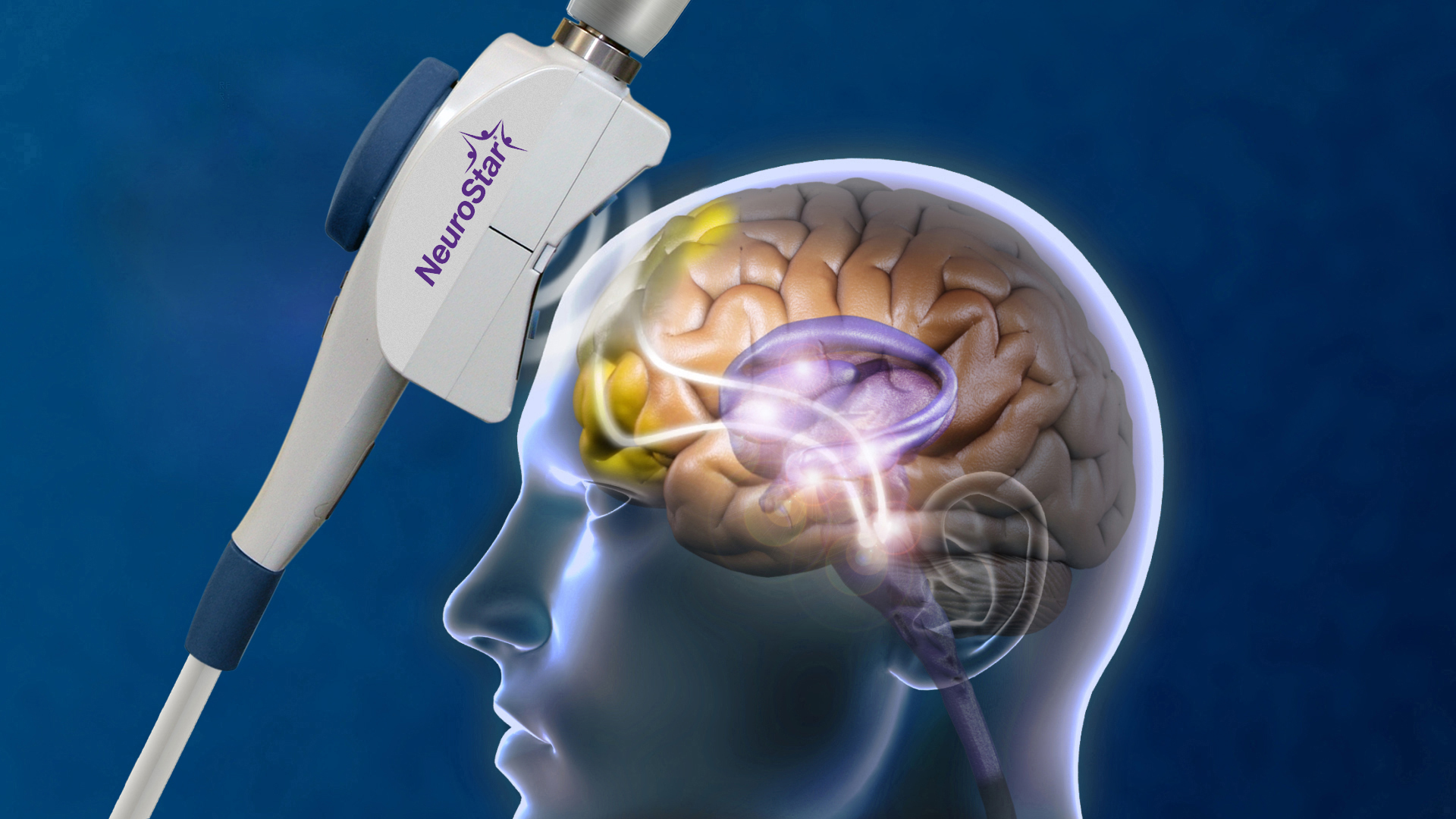
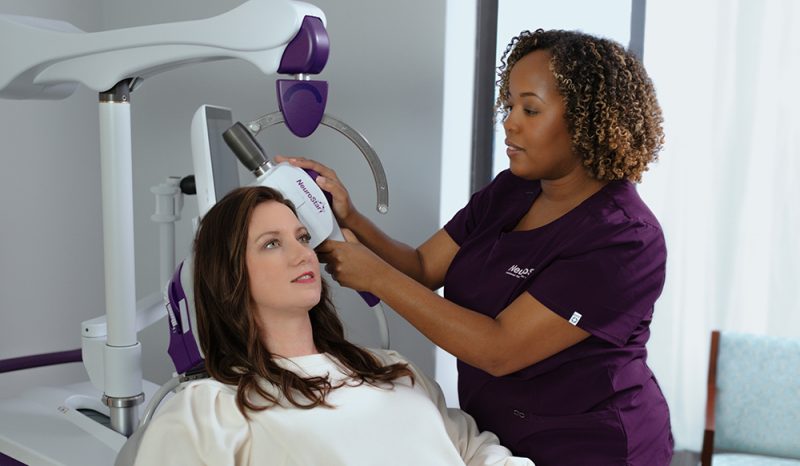
During a NeuroStar treatment session, a magnet with a strength comparable to that in an MRI machine is employed to stimulate nerve cells in the brain regions associated with mood regulation. These magnetic pulses can positively influence neurotransmitter levels, potentially leading to long-term remission.
No hospital stays. Conducted right here in Albuquerque, New Mexico.
Drive yourself home. Return to work the same day.
No sedation, no anesthesia. You're comfortable and alert.
Unlike ECT or medication, TMS doesn't impair cognitive function.
Individuals experiencing depression are shown to have reduced electrical activity in certain areas of the brain. Neurostar TMS works by delivering highly targeted, localized electromagnetic pulses to those areas, including the prefrontal cortex, which is the area of your brain that regulates mood. These electromagnetic pulses stimulate the affected neurons, which in turn releases neurotransmitters and hormones such as serotonin and dopamine. These neurotransmitters work to relieve symptoms of depression. Once these neurons are stimulated by Neurostar TMS, they continue to release these neurotransmitters for a longer period of time compared to other treatments like antidepressants.
Localized electromagnetic pulses are delivered directly to the prefrontal cortex, the mood-regulation center of your brain.
Pulses stimulate affected neurons, triggering the natural release of serotonin and dopamine, your brain's "feel good" neurotransmitters.
Stimulated neurons continue releasing neurotransmitters longer than antidepressants, providing sustained, lasting depression relief.
NeuroStar has the largest clinical data set of any TMS device for depression in the US, with results from real-world patients.
Patients who saw improvements in their depression symptoms1
Patients who saw full remission of their depression symptoms.2
Proven effectiveness in treatment-resistant depression patients through 12 months.3
Ready to see if NeuroStar TMS is right for you? It only takes 60 seconds.
See If You Qualify →Simple, guided steps to start feeling better at Vigor Mental Health.
Be matched with a highly trained provider for your specific needs.
Your provider will develop a personalized treatment plan just for you.
Start treatments on your terms with our flexible scheduling.
We'll work closely with you to help you feel like your best self.
Hear directly from patients whose lives were transformed by TMS therapy.
Everything you need to know about TMS therapy at Vigor Mental Health.
Still have questions? Our team is happy to help — call or check eligibility now.
Take the first step. Our team at Vigor Mental Health is ready to help you determine if NeuroStar TMS is right for you, at no cost or obligation.
Indications for Use
Adult Indications for Use: The NeuroStar Advanced Therapy System is indicated for the treatment of depressive episodes and for decreasing anxiety symptoms for those who may exhibit comorbid anxiety symptoms in adult patients suffering from Major Depressive Disorder (MDD) and who failed to achieve satisfactory improvement from previous antidepressant medication treatment in the current episode.
The NeuroStar Advanced Therapy System is intended to be used as an adjunct for the treatment of adult patients suffering from Obsessive Compulsive Disorder (OCD).
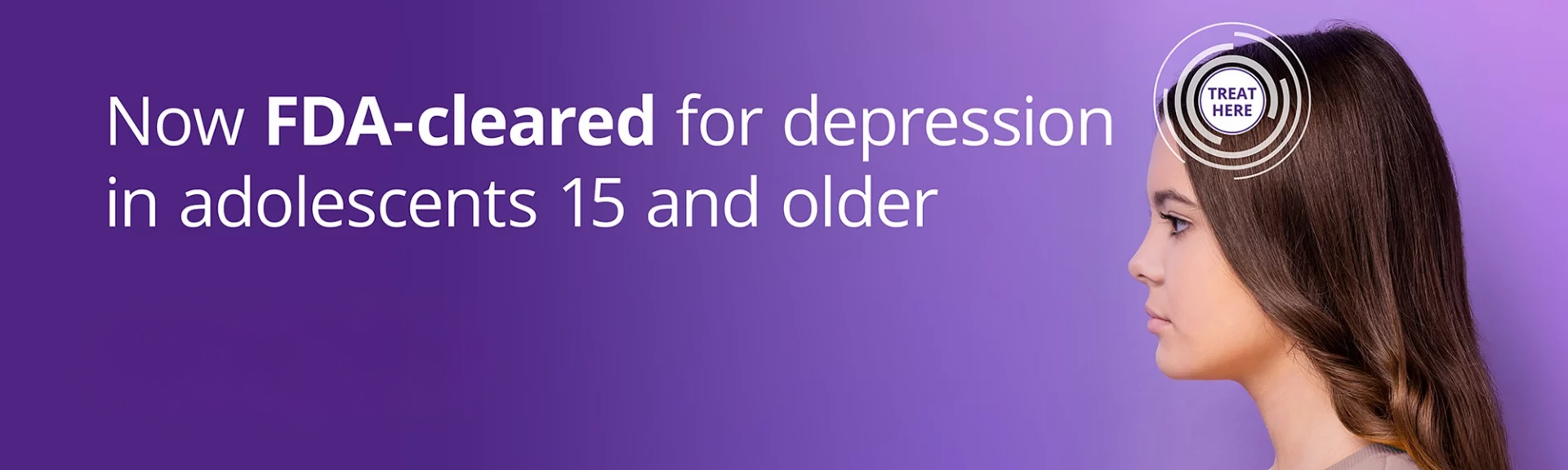
Adolescent Indications for Use: NeuroStar Advanced Therapy is indicated as an adjunct for the treatment of Major Depressive Disorder (MDD) in adolescent patients (15–21).
Important Safety Information
NeuroStar Advanced Therapy is only available by prescription. A doctor can help decide if NeuroStar Advanced Therapy is right for you. Patients' results may vary.
The most common side effect is pain or discomfort at or near the treatment site. These events are transient; they occur during the TMS treatment course and do not occur for most patients after the first week of treatment. There is a rare risk of seizure associated with the use of TMS therapy (<0.1% per patient).
Visit neurostar.com for full safety and prescribing information.
References
1,2 Sackeim HA, et al. (2020). J Affect Disord, 277:65–74. Based on a real world, retrospective study using CGI-S and a sample size of 615 patients.
3 Dunner DL, et al. (2014). J Clin Psychiatry, 75(12):1394–1401.